Gravity Testwork
1. Project Overview
AGR contacted Urban Metals to evaluate the potential metal recovery from a by‑product generated at their IBA treatment facility at Zentraldeponie Emscherbruch. The objective was to obtain a clear and quantitative understanding of the valuable metals present in the fine sand fraction (0–3 mm) and to assess the feasibility of recovering these metals.
Urban Metals visited AGR for an in‑person meeting to discuss the scope of work, inspect the plant, and collect sample material. Following the visit, the test program was tailored and presented to AGR.
At a high level, the program combined physical separation testing with metallurgical analysis of the input material, the concentrate, and the tailings. The chemical assays were conducted by an accredited metallurgical laboratory, with each assay reporting concentrations for 54 individual elements, providing a detailed elemental profile.
The results quantified both the total amount of metal present in the sand fraction and the proportion that could be recovered.
2. Laboratory Work
Test work began with performing a sieve analysis to determine the grain size distribution of the samples. Based on this distribution, a sequence of tailored processes was applied:
Ferrous material was removed using a dry Low‑Intensity Magnetic Separator (LIMS).
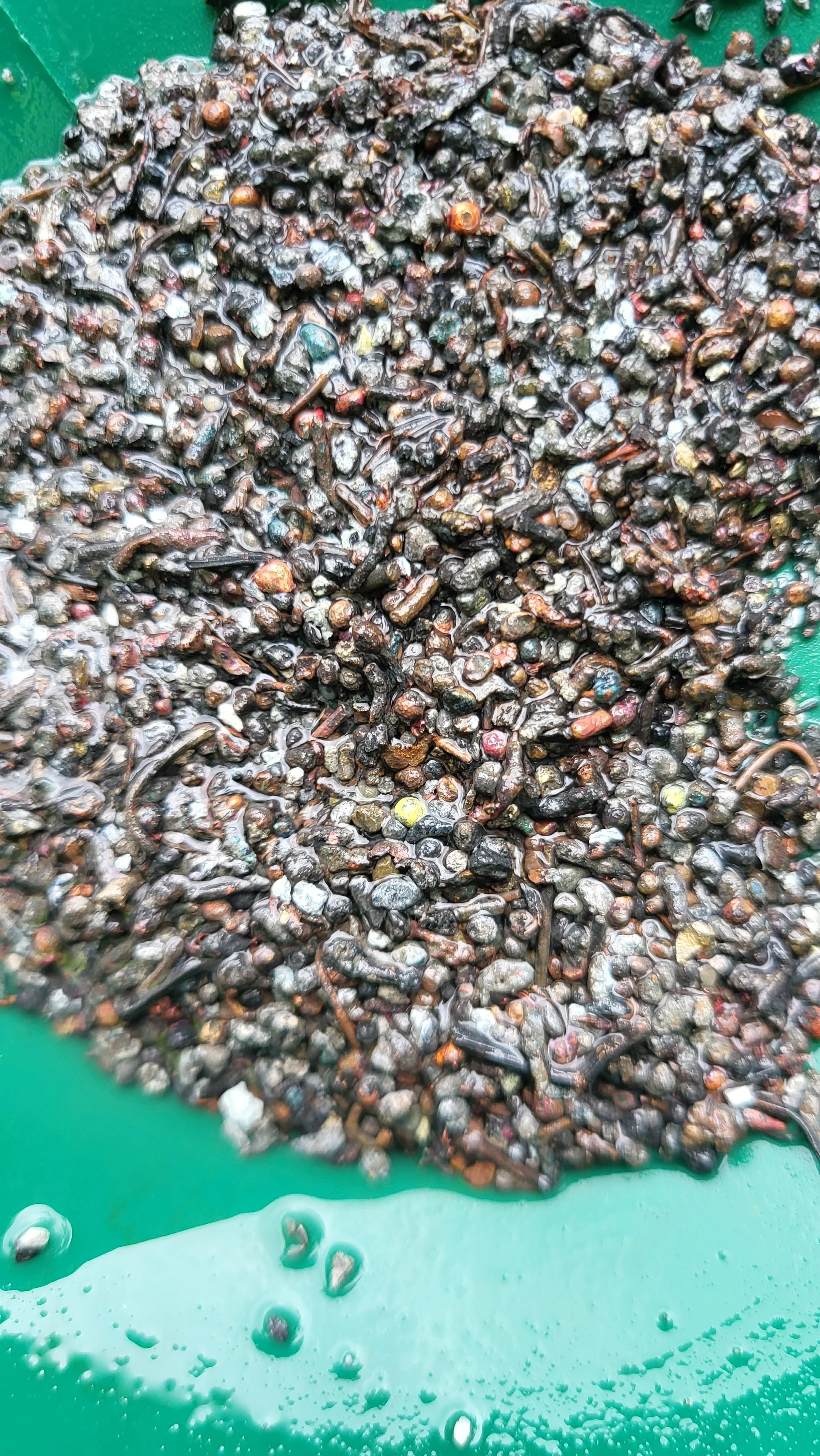
The non‑ferrous fraction was concentrated using a gold pan, capturing the coarse heavy particles.
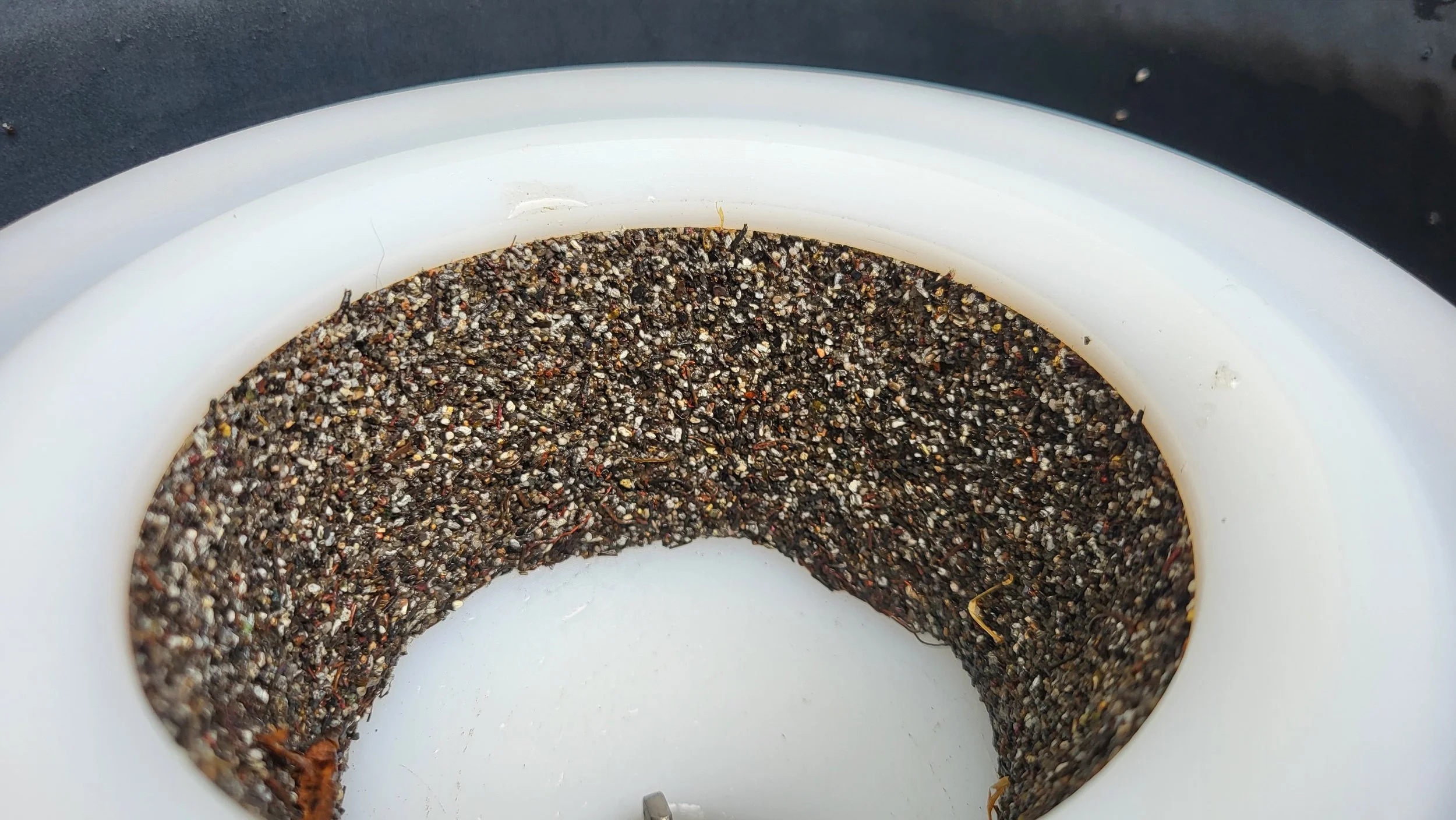
The tailings were then processed using a Falcon L40 concentrator, which is specifically designed to recover fine heavy particles with high efficiency.
The concentrates from the gold pan and the Falcon concentrator were combined into a single gravity concentrate.
All output streams were dried, weighed, bagged, tagged, and sent out for assaying.
All resulting streams—gravity concentrate, tailings, and ferrous fraction—were dried and weighed. Metallurgical analyses were performed on each stream, and the analytical results were combined with the measured weights to establish a complete and transparent mass balance.
3. Results and Application
All laboratory results—including moisture content, grain size distribution, the weights of all input and output streams, and the metallurgical analyses—were combined to establish a complete and transparent mass balance.
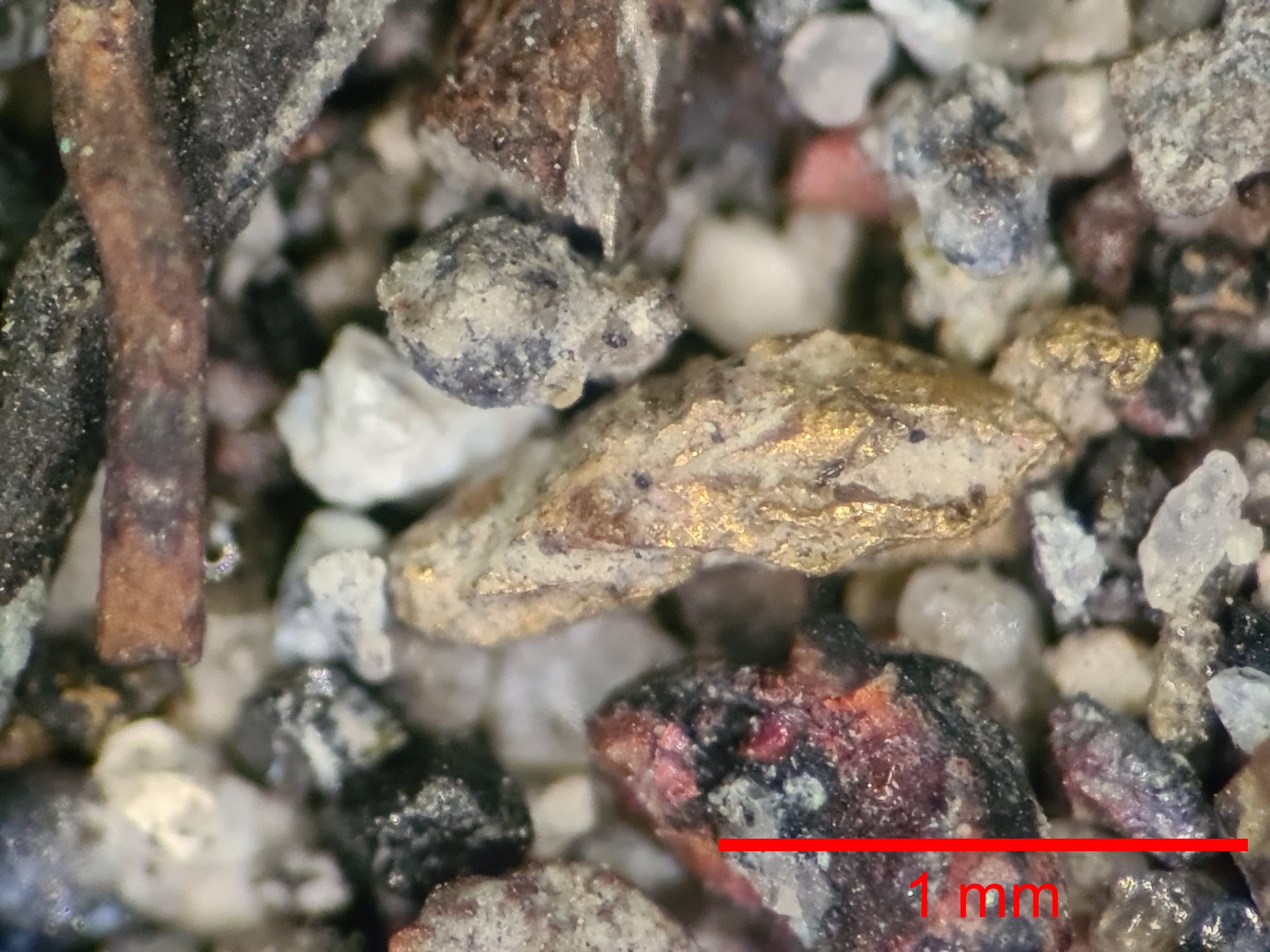
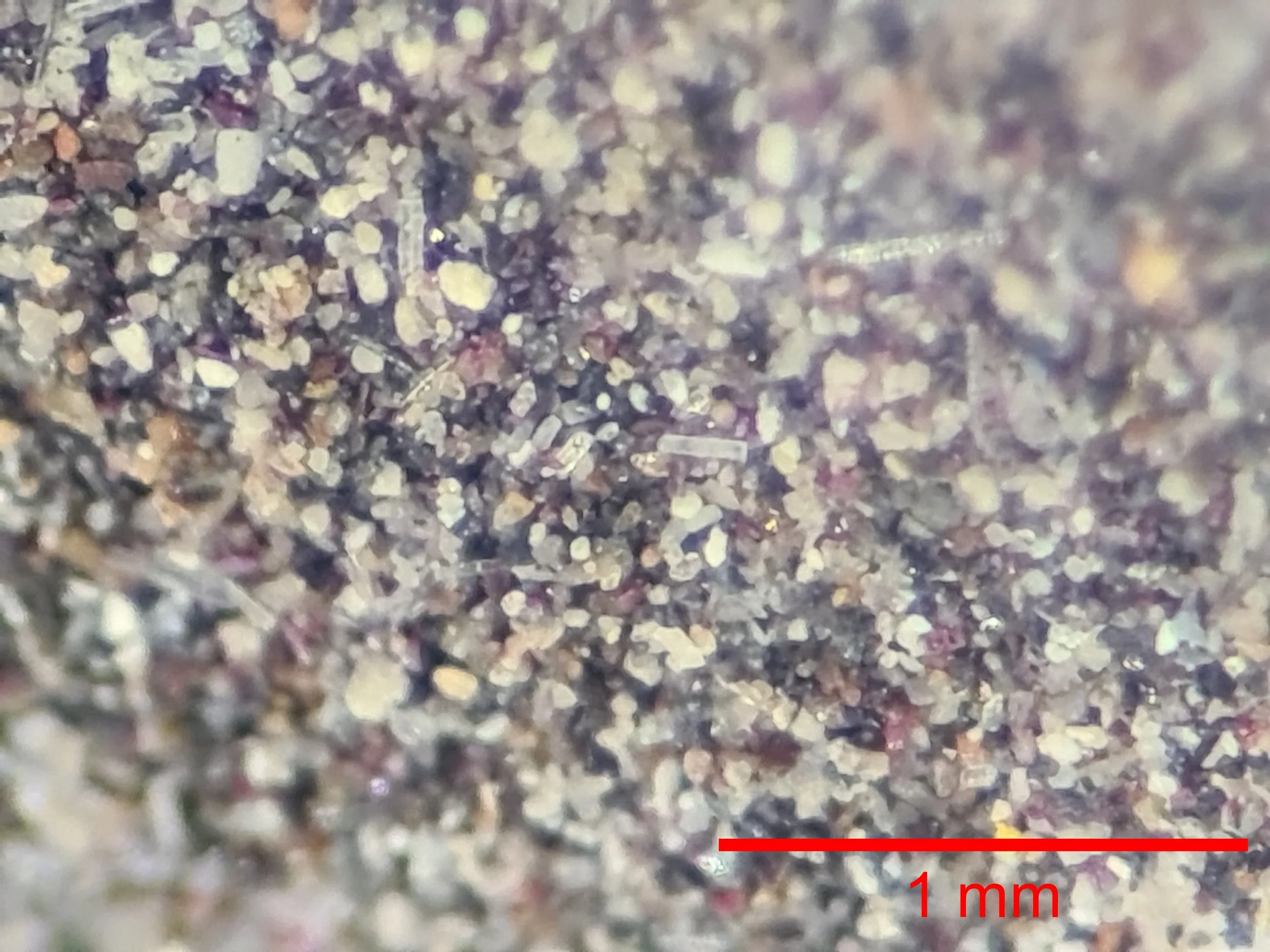
The results were documented in a test report, describing each step of the process with photos of the setup and detailed images of the products. All findings were presented in a project closure meeting. The information provided AGR with a solid technical and economic basis for evaluating recovery options and served as input for their business case assessing the feasibility of metal recovery from the by‑product material.